

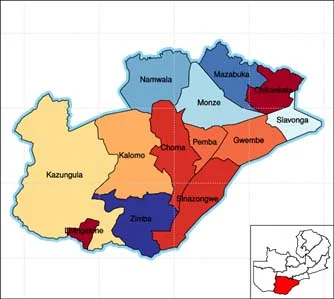
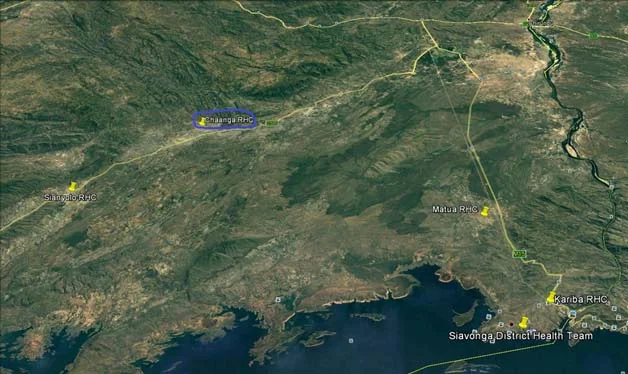
Virtual Doctors support 4 rural health centre throughout Siavongo district as well as the Siavongo district health team in the district hospital.
Snakes in Zambia
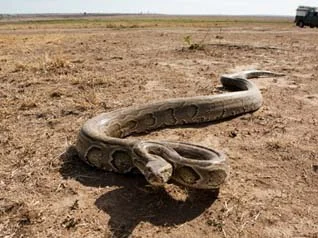
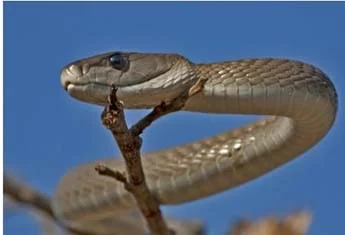
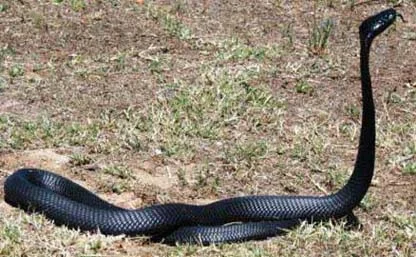
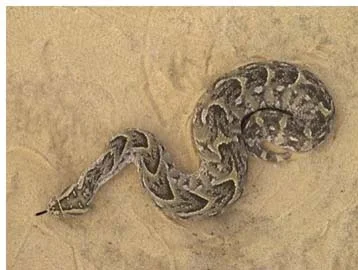
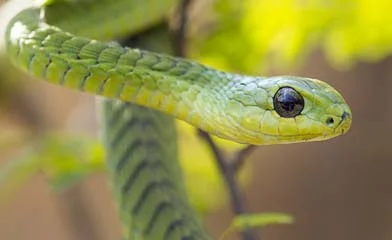
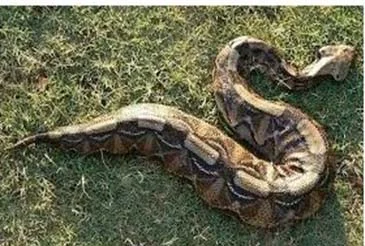
There are many snakes in Zambia, most are harmless with just a few being venomous. Fortunately most venomous snakes will often avoid humans and get out of the way when they feel the vibrations of your footsteps. If they do bite, they rarely inject their full venom load. Generally they only strike when they are surprised, cornered or threatened. The danger from snake bites and the toxicity of venom varies from species to species.The most deadly snakes found in Zambia are:
Different kinds of Venom
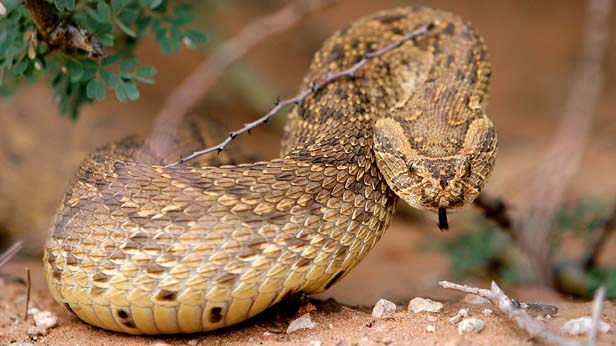
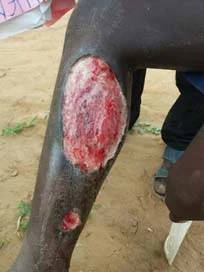
Of these beautiful snakes above, the majority produce venom. Each venom has its own toxic effects.The mambas and cobras neurotoxic venom attacks the central nervous system. The bite feels like a sting. It attacks the nerves, causing difficulty in movement, in breathing, swallowing and slurred speech and can cause death due to breathing difficulty.The boomslang and Gaboon Viper produce haemotoxic venom which prevents the blood from clotting leading to extensive blood loss into the tissues. The bite is generally not too painful but within an hour bleeding starts from the bite and any other wounds or scratches the victim may have. Other symptoms can include a severe headache, nausea and vomiting.The puff adder produces cytotoxic venom which attacks the body’s cells. The bite is instantly painful with immediate swelling, bruising and blistering. It can lead to break down of tissues over a wide area. Symptoms can include nausea and dizziness. It is likely our patient was bitten by a puff adder.
What to do about Snake bites
Anyone bitten by a poisonous snake must get professional treatment as quickly as possible. Symptoms usually show themselves fairly soon after a bite so observing the victim is very important.First aid: Do not panic. The vast majority of snakes are not venomous and in the rare event of being bitten by a venomous snake most will not inject their full venom load.Keep the victim calm and still, movement only increases blood flow and transporting of the venom more quickly.Loosen the victims clothing and keep them shaded.Immobilise the limb but do not restrict blood flow.Clean the wound with plain water and dress the wound with a bandage but being careful not to apply pressure and cause bruising.Be prepared to administer CPR if necessary.If possible try to identify the snake, taking a photo as long as no one else puts themselves in danger. Pictures are useful for medical identification. Useful things to note are colour, size, shape of head and attacking method.
What NOT to do when a snake bites:
The advice for bites varies but the consensus about what not to do is pretty consistent:Never use a tourniquet which cuts off the blood flow for this purpose.Do not allow the victim to exercise or stress themselvesDo not cut or bite or attempt to suck the venom out.Do not use potassium permanganate crystals or solutions near or on the bite wound nor use soapy water around the wound. Do not put ice or heat on the wound.Do not leave the victim alone.
And finally it is worth remembering fatalities from bites are quite rare. When in the bush be careful and keep a look out. The more noise you make when walking the more chance the snake has to move off. Wear boots and long trousers. And remember shake your boots before putting them on!Disclaimer: This article is for information only and shouldn’t be used for diagnosis or treatment of medical conditions. If you have any concerns about your health consult a doctor or other health professional.