Too few doctors
There are far too few doctors in Malawi – only 1 doctor for every 60,000 patients!

Too few doctors
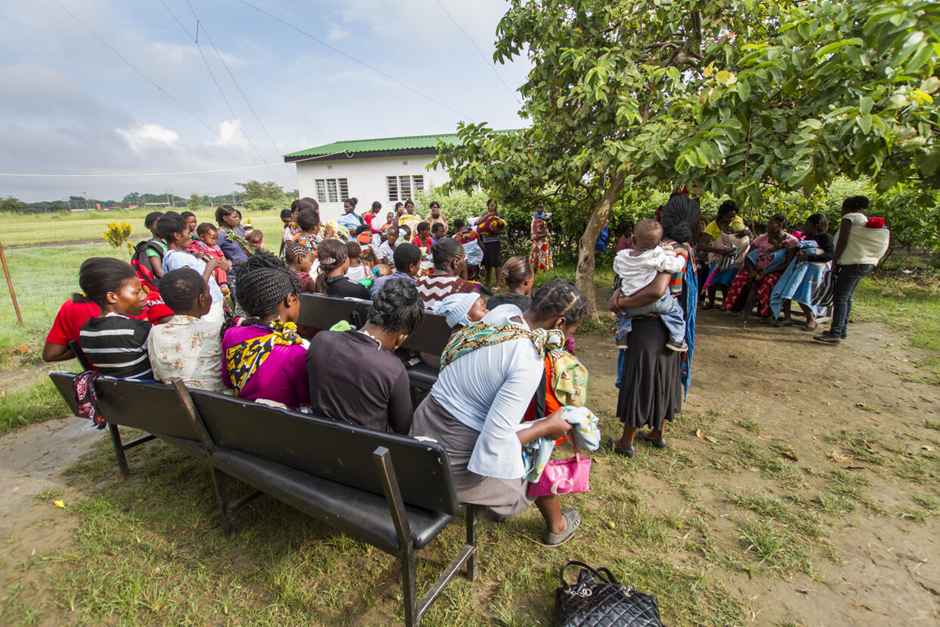
There are far too few doctors in Zambia – only 1 doctor for every 12,000 patients!
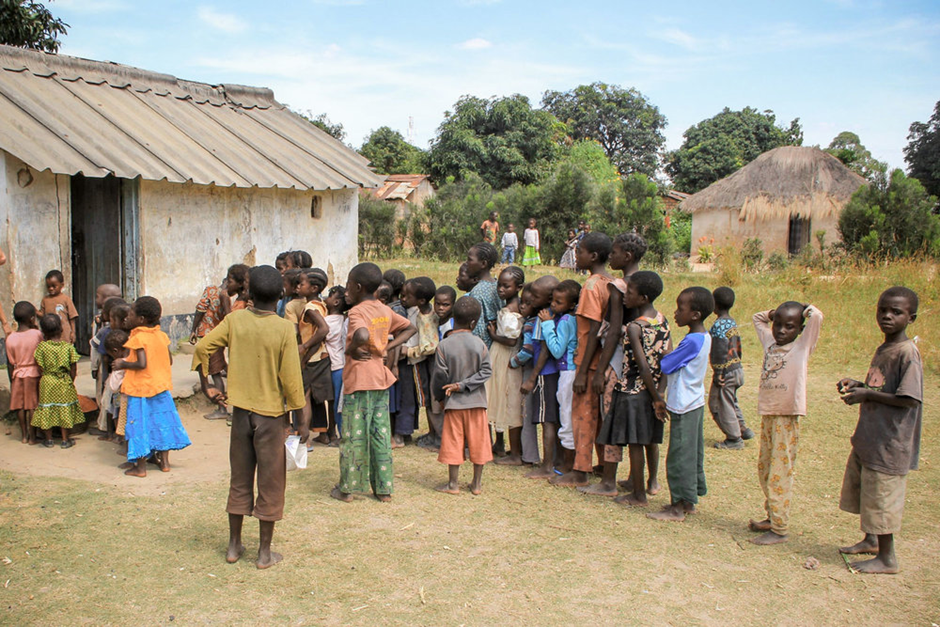
Doctors covering large catchment areas
2/3 of doctors live in urban areas; 2/3 of the population live in rural Zambia.
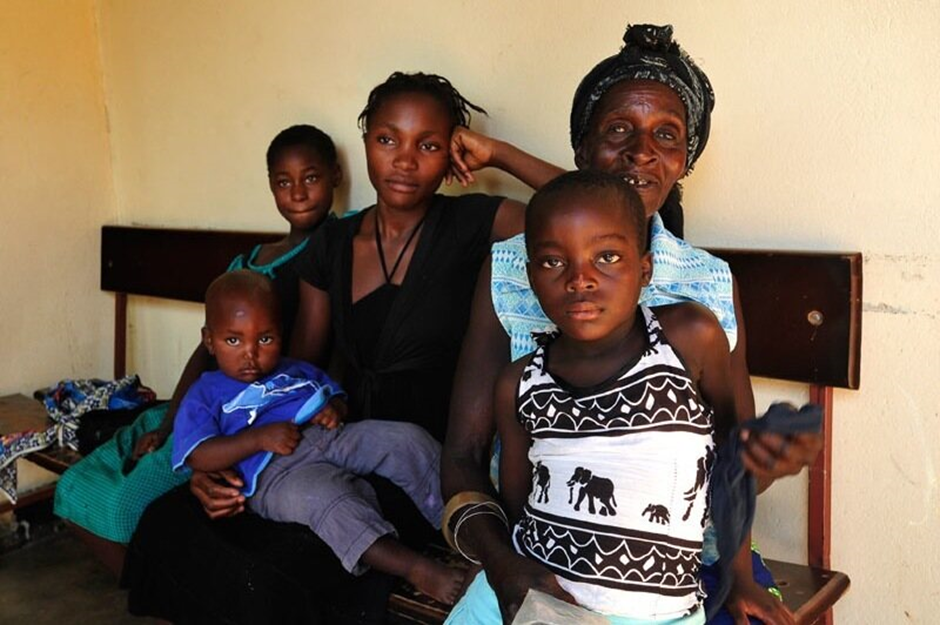
Under-equipped rural health centres
Consequently, most rural health centres are under-staffed and under-equipped.
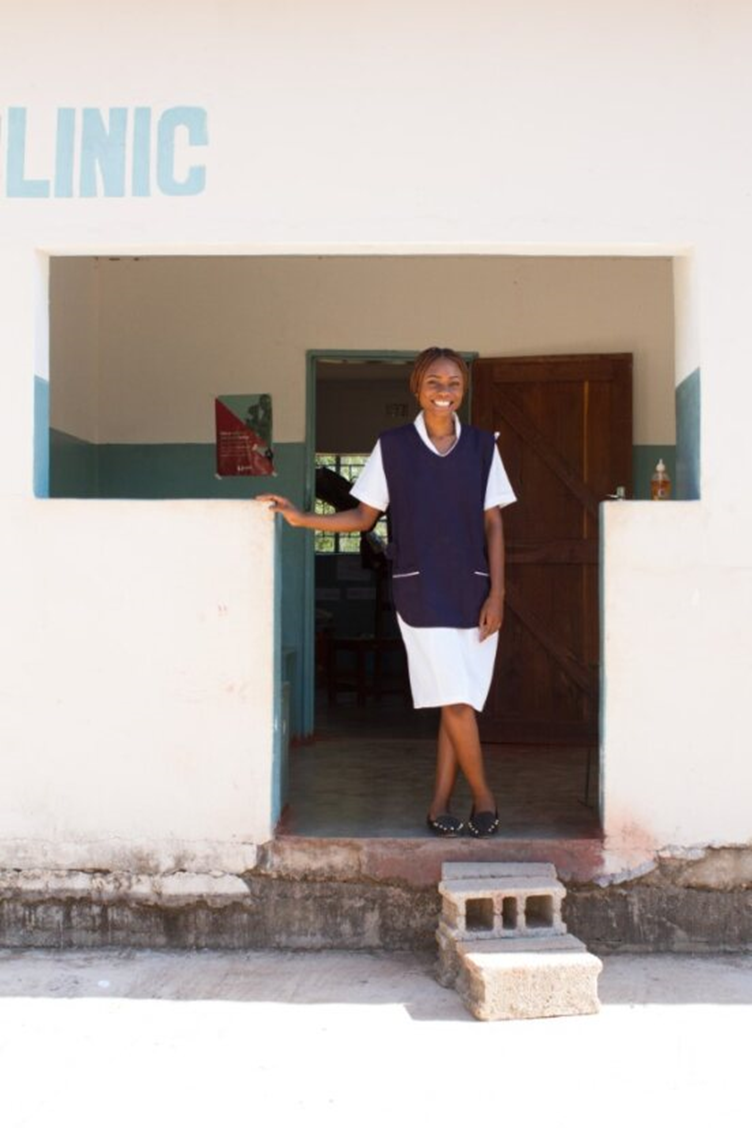
Health workers challenged
Health workers struggle to diagnose and treat many chronic and acute conditions, so patient conditions can deteriorate.
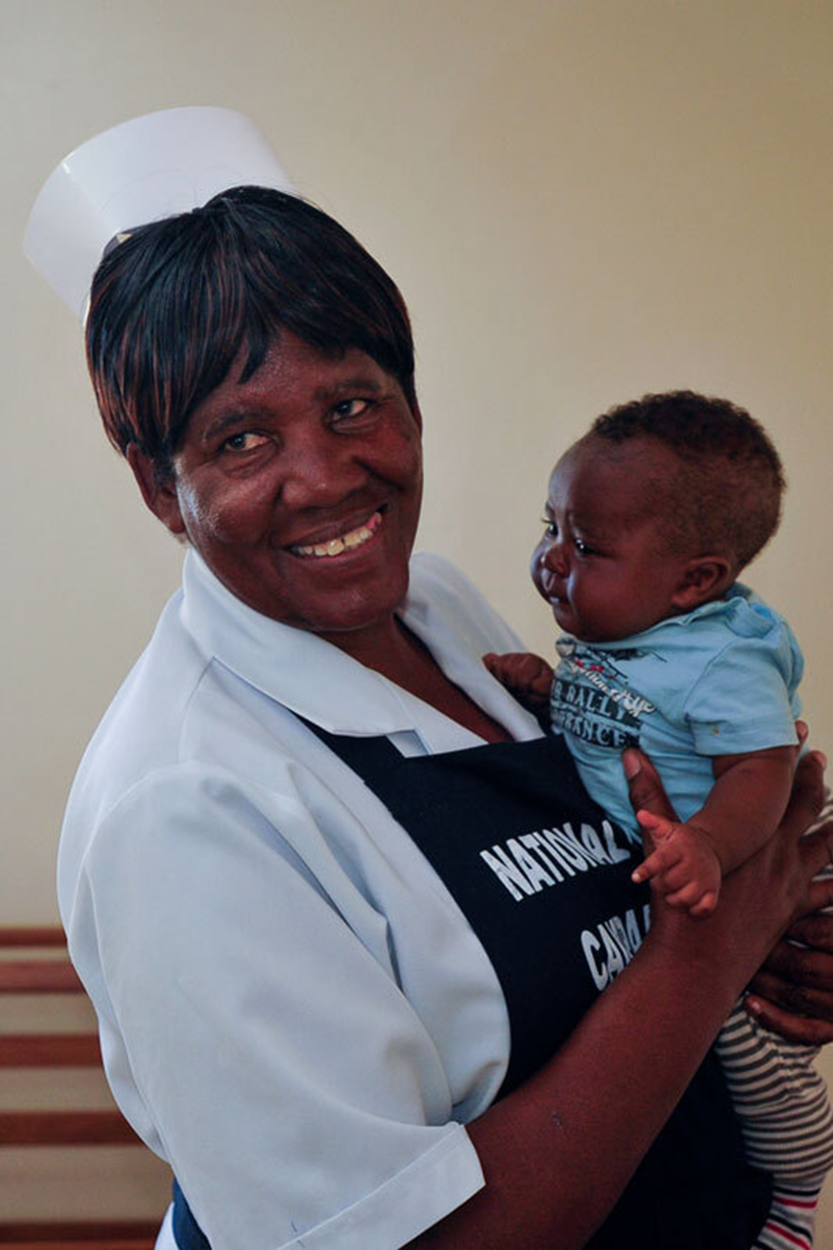
Distant referrals
Patients may have to walk or cycle for many hours, or even days, to reach a district hospital. Costs of transport are prohibitive to many.

Health Stats:
Doctors covering large catchment areas
1/5 of doctors live in urban areas; 4/5 of the population live in rural Malawi.
Under-equipped rural health centres
Consequently, most rural health centres are under-staffed and under-equipped.
Health Stats:
1 in 14 (61 children per 1000) children will not reach the age of 5*
9% of the adult population are HIV+*
*WHO 2020 statistics
Health workers challenged
Health workers struggle to diagnose and treat many chronic and acute conditions, so patient conditions can deteriorate.
Distant referrals
Patients may have to walk or cycle for many hours, or even days, to reach a district hospital. Costs of transport are prohibitive to many.
Telemedicine helps solve these problems
The Zambian Ministry of Health’s e-Health Strategy 2017-21 included telemedicine in its strategic priorities. It accepted the “need to embrace and promote telemedicine… by developing a comprehensive framework, guidelines and operational model on its use.”
There is also growing academic research into telemedicine. Salatian et al (1) note ‘benefits at federal, state and community level…across all political parties, religious dogmas, village councils and tribal and ethnic groups.”
Research to prove the value of telemedicine to healthcare workers in rural Kenya compared face to face consultations with submitted telemedicine case files for the same sample of patients. Medical feedback was consistent between the two methods in 78% of cases; and treatment advice was consistent between the two methods in 89% of cases (2).
1. Salatian, A., Zivkovic, J. and Ademoh, F. (2012) Telemedicine for Rural Sub-Saharan Africa – Benefits and Drawbacks. Allied Academies International Conference, Academy of Health Care Management 9(1), pp. 9-13
2. Qin, R., Dzombak, R., Amin, R. and Mehta, K. (2013) Reliability of a Telemedicine System Designed for Rural Kenya. Journal of Primary Care & Community Health, Vol. 4, No. 3, pp. 177- 181
Latest figures
Over 290 users trained across all provinces and 42 districts in Zambia.
231 volunteer Doctors responding to cases covering multiple specialities.
The majority of our volunteers have experience working in resource poor settings so have an understanding of the issues the Clinical Officers face. The feedback from the Clinical Officers confirmed that the Virtual Doctors advice was beneficial.
90% said it helped improve patient symptoms
76% said it prevented a referral to hospital 94% found it educational Their comments included:
“Am learning a lot from the doctors in the UK. I appreciate the work they are doing. Work becomes much easy. “
“VDrs very helpful. As the programme does not only benefit the patients but also increases knowledge for the healthy provider. Keep it up VDrs”
“The Information is very educational. Timing is good. Less than 24 hrs you have the answers.”
“The interaction with the Doctor helped me manage the case better. Thankful very much for the advice from the Doctor.”
It costs approximately £1,500 to set up and train a Clinical Officer and provide equipment and bandwidth to access the service for 12 months.
Why Choose Us
Lorem Ipsum is simply dummy text of the printing and typesetting industry. Lorem Ipsum has been the industry’s standard dummy text ever since the 1500s, when an unknown printer took a galley of type and scrambled it to make a type specimen book. It has survived not only five centuries, but also the leap into electronic typesetting, remaining essentially unchanged.
It was popularised in the 1960s with the release of Letraset sheets containing Lorem Ipsum passages, and more recently with desktop publishing software like Aldus PageMaker including versions of Lorem Ipsum.