

THE CASE
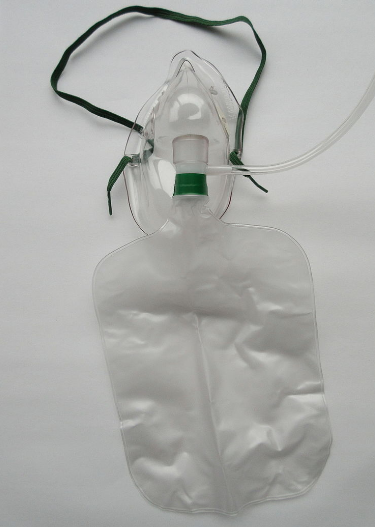
The Clinical Officer at Matua clinic contacted us about a 49-year old gentleman with breathlessness. He had been brought in by his family who were very concerned about him. He had been unwell for the last 3 days and was now getting rapidly worse. He had a history of hypertension, HIV and relapsed tuberculosis (TB). He was poorly compliant with his anti-hypertensive and anti-retroviral medication. There were also concerns that he had not completed a full course of TB therapy. On assessment he appeared unwell. The Health centre does not have a saturation probe for monitoring oxygen levels, but the Clinical Officer is used to relying on his clinical skills and he noted the patient was breathing fast with signs of respiratory distress. On listening to his chest there were widespread crackles, suggesting fluid in the lungs. His heart rate and blood pressure were elevated. No heart murmurs were heard but there was significant leg swelling. He had a mild fever. The Clinical Officer was concerned that this gentleman had acute heart failure.But the clinic’s oxygen cylinders were empty and they had run out of intravenous diuretics. The patient continued to deteriorate and the Clinical Officer wisely referred him on to hospital. He subsequently contacted the Virtual Doctors to ask if there was anything else he could have done whilst waiting for the patient to be transferred.The Volunteer doctor started by supporting the Clinical Officer in his plan to transfer the patient. Although our service does try to help manage patients on site, it is just as important to recognise when this is not possible and to encourage safe practice and prompt referral. He understood that the Clinical Officer wanted advice that he could apply should he have to deal with a similar case in the future. It was not the time to discuss or debate Guidelines for management of Acute Heart Failure or the subsequent diagnostic pathway and workup. The case might be fascinating to us as clinicians (what role was the hypertension, HIV or TB playing in this presentation in someone so young?) but the importance on this occasion was to concentrate on practical management steps.During the subsequent discussion the Volunteer tried to highlight achievable interventions. Even simple things like helping the patient to sit upright to assist his breathing can help. Intravenous vasodilators, sometimes used in treatment of acute heart failure, are not on the Essential Medicines list and therefore not available in the Health centres. But opiates are available and the Volunteer advised that they could be used to rapidly relieve the breathlessness and distress of the patient. In addition, he recommended that if intravenous diuretics were not available, diuretic tablets could be tried instead; acknowledging that although this would not act fast, it might be helpful.The Health Centre does not have access to ECHO, X-rays or even ECGs so investigating and treating for a reversible cause of the heart failure would not be possible on site. But the patient had presented with a low grade fever so the Doctor suggested that treating for inter-current infection with antibiotics might have some benefit.These steps may not have obviated the need to refer to hospital on this occasion but they may have made the patient more comfortable in the meantime and at least bought some time.
THE CLINICS
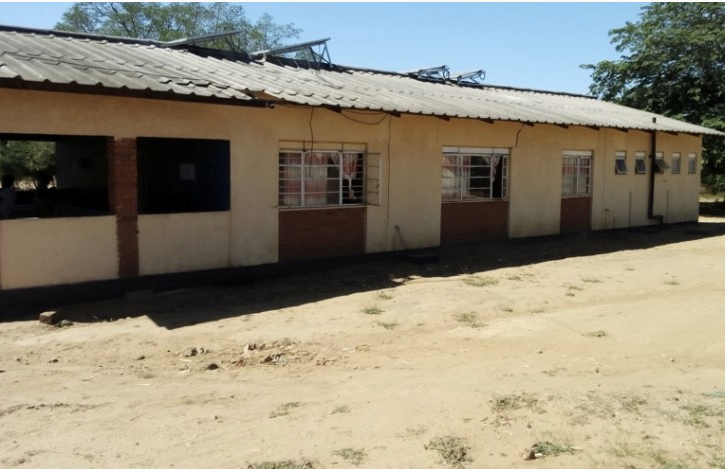
The Clinics that we support in Zambia are predominantly Primary care facilities. The ‘typical’ rural Health Centre has about 3-4 rooms. Two of the rooms may be used for ‘Screening’ (reviewing patients). The other rooms are used for administration, for storing medication and as a waiting area. Unlike GP surgeries in the UK, some of the centres have in-patient beds (ranging in number from about 2 to 12). These beds can be used if the patient needs a period of observation. Sometimes it may be preferable to assess the patient’s response to initial therapy before making a referral to Hospital. If the patient improves then an unnecessary journey is avoided. The Virtual doctors are often contacted about this group of patients in the hope that together we can alter the patient’s clinical course.
EMERGENCY CARE AT THE HEALTH CENTRE
“Management of emergencies is taught but dealing with an emergency theoretically is different from dealing with the emergency in real life.” Clinical Officer, Zambia 2019.
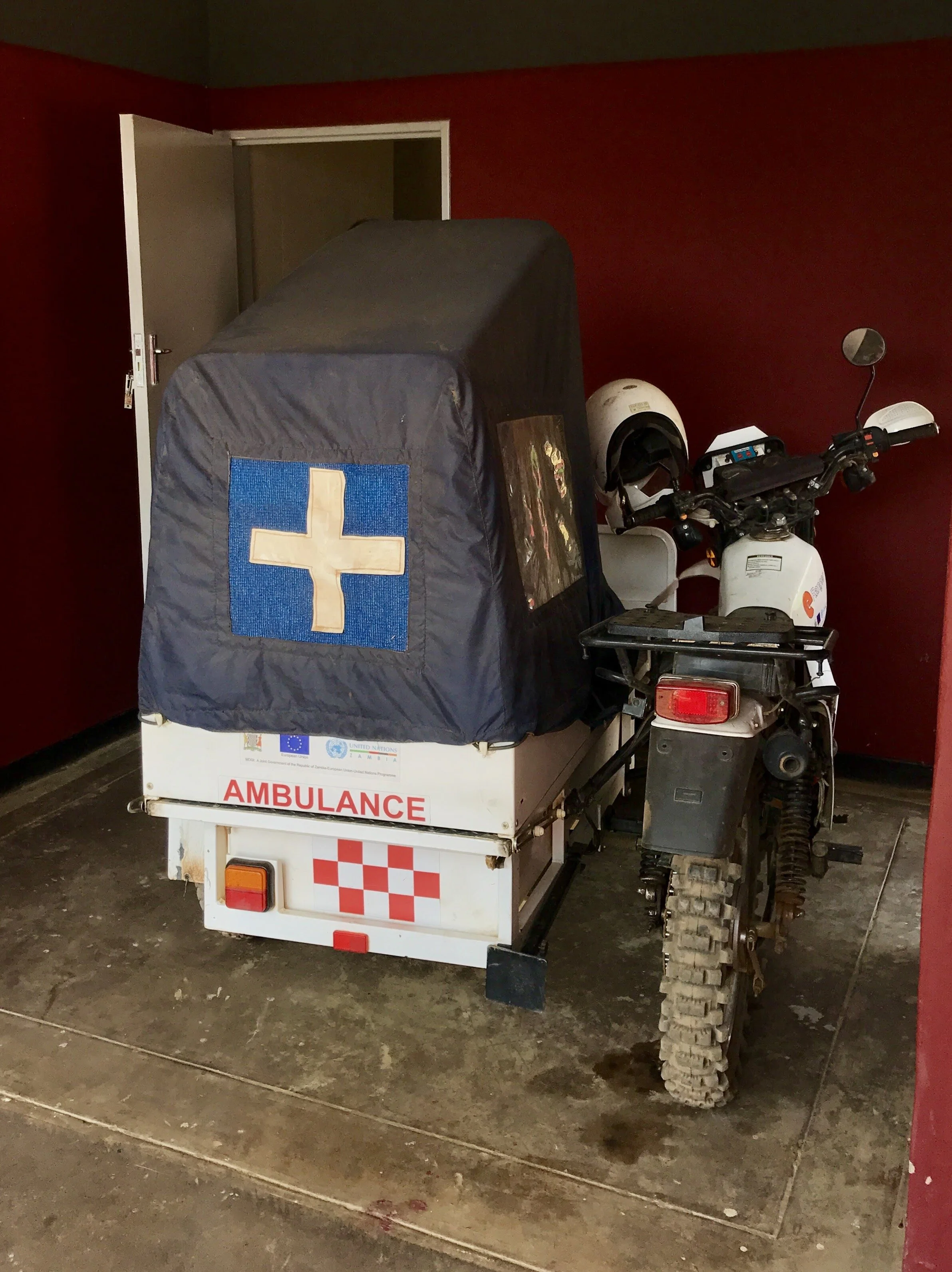
We are grateful to Shakerrie Allmond, Stellah Chilembo and Pralin Koongo from the Zambia team, as well as all our Clinical Officers, for providing us with helpful factual background for this account
References
*Zambia National Health Strategic Plan 2017-2021 **The List of Health Facilities in Zambia (Ministry of Health, 2012)***Institute for Health Metrics and Evaluation (IHME). Health Service Provision in Zambia:Assessing Facility Capacity, Costs of Care, and Patient Perspectives. Seattle, WA: IHME, 2014.Resources: https://www.who.int/publications-detail/basic-emergency-care-approach-to-the-acutely-ill-and-injured